Important Tips for Practical Auto Upkeep: Conserve Time and Finances
Pinpointing cost-effective car service can be a demanding task for many car owners. With numerous possibilities presented, it is important to approach the process strategically. By researching area repair professionals and understanding vehicle maintenance needs, individuals can circumvent superfluous expenditures. There are also techniques to tackle minor issues on their own. However, the journey doesn't end there; reviewing supplementary savings strategies can lead to even greater savings. What ideas might be worth considering next?
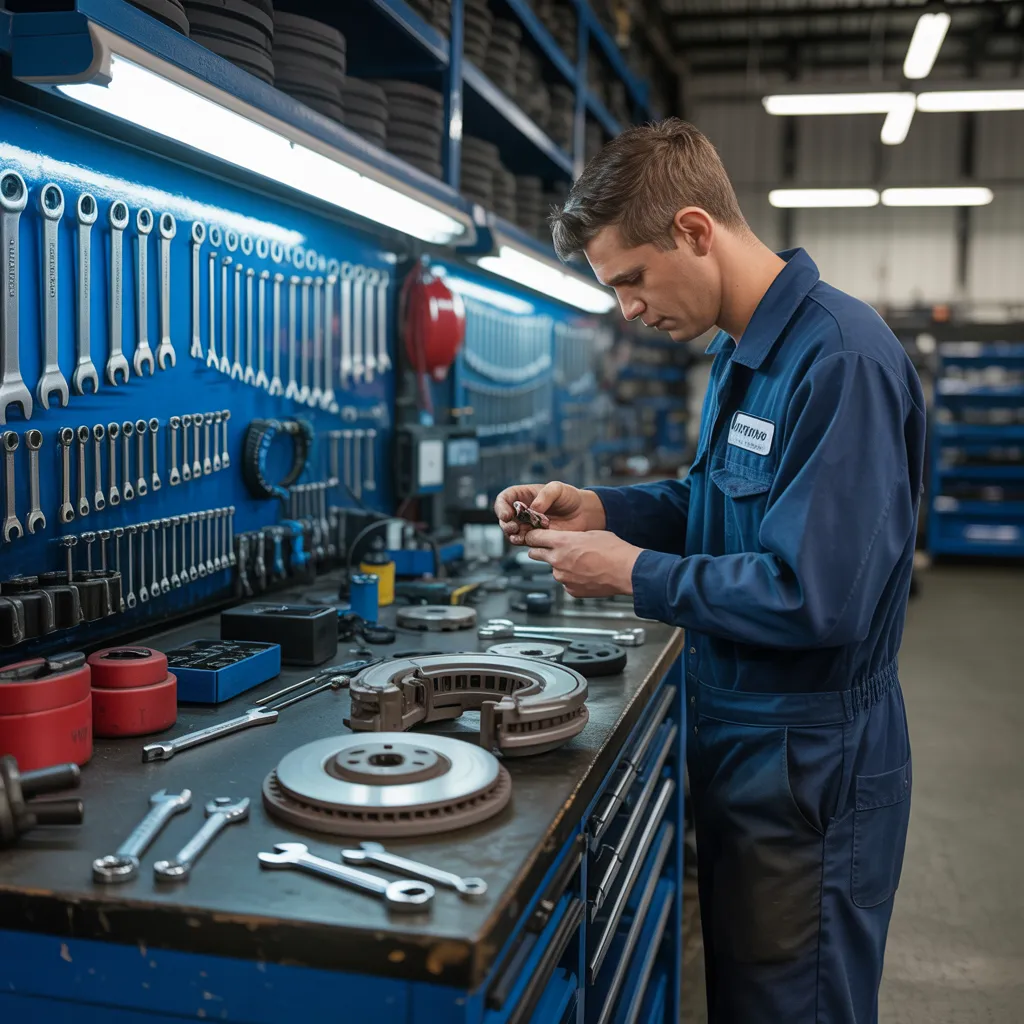
Discover and Match Up Regional Mechanics
When searching for affordable auto repair, it is essential to examine and evaluate local mechanics to ensure the best value for service. A comprehensive review involves examining online reviews, ratings, and testimonials to assess the quality of service provided. Consumers should also ask regarding the certifications and experience of the mechanics, as this can significantly impact the reliability of repairs.
Also, securing proposals from numerous shops gives knowledge into the average costs for exact services. This comparison helps to identify any remarkably steep or suspiciously low prices. Moreover, visiting service providers in directly allows a greater examination of their professionalism and service quality, which are critical factors in fostering trust.
Ultimately, comprehensive investigation and contrast empower vehicle owners to decide intelligently, confirming they appoint a mechanic who offers both high-caliber fixes and fair pricing, thereby conserving funds in the distant future.
Get to know your vehicle's maintenance requirements
How can car owners guarantee their cars stay in optimal condition? Understanding a vehicle's service requirements is crucial. Each car comes with a maker's service schedule, outlining when particular maintenance should be completed. This schedule typically includes oil changes, tire rotations, brake inspections, and fluid replacements. Following these recommendations helps avoid costly repairs down the line.
In addition, vehicle proprietors should be aware of warning signs suggesting possible issues, such as unusual noises or dashboard warnings. Frequently checking fluid levels, tire pressure, and the condition of belts and tubes can also prolong a vehicle's lifespan.
Implement DIY solutions for minor problems
Understanding a vehicle's upkeep requirements sets the foundation for effective car care, but many minor issues can be addressed through DIY fixes. For instance, jobs such as replacing wiper blades, replacing air filters, or topping off fluids can be easily managed by car owners. DIY repairs not only reduce costs on labor expenses but also enable people to gain a deeper understanding of their vehicles.
Internet resources, including tutorial videos and forums, deliver helpful guidance for those inexperienced with car maintenance. Basic tools, like wrenches, screwdrivers, and pliers, are often sufficient for these simple repairs. Additionally, performing consistent upkeep of minor issues can stop them from progressing into more substantial problems, ultimately extending the vehicle's lifespan. By implementing a DIY approach, car owners can successfully handle their maintenance needs while reducing expenses and enhancing their overall automotive knowledge.
Look for Sales and Special Offers
What tactics can car owners utilize to lower expenses on maintenance costs? One sound strategy is to hunt for promotions and discounts supplied by auto repair shops. Many organizations extend seasonal sales, loyalty programs, or referral bonuses that can reduce repair expenses. Car owners should also register for newsletters or monitor social media accounts of local repair shops, as these often highlight exclusive deals.
Also, making use of online coupon sites can uncover fleeting offers that can be used to repairs. Car owners may find that some manufacturers or parts suppliers extend rebates on certain services, which can additionally aid in cutting costs. By spending the time to research and remain vigilant about available promotions, car owners can reduce money while ensuring their vehicles remain in good condition. Overall, being strategic in looking for discounts can lead to considerable savings on necessary auto repairs.
Create a Thorough Upkeep Record
Maintaining a detailed record of auto maintenance is essential for car owners aiming to cut repair costs. By documenting every service and repair, owners can track the automobile's timeline, identifying sequences that may indicate fundamental concerns. This record works as a valuable reference for mechanics, helping them to make informed decisions about vital maintenance and repair routines.
Routine entries including oil service, tire rotations, and brake inspections help guarantee that the vehicle stays in top shape. Additionally, keeping records can support in warranty claims, as it demonstrates adherence to the manufacturer's suggested maintenance schedule.
Furthermore, a detailed documentation can provide leverage when haggling over repair costs, as it demonstrates proactive upkeep activities. Ultimately, keeping a systematic service log not only improves your car's lifespan but also allows drivers to make better financial decisions regarding their auto maintenance requirements.
Commonly Requested Questions
How Do I Pinpoint a Reliable Mechanic?
To locate a reliable mechanic, one should request suggestions, read reviews, verify qualifications, and notice workshop tidiness. Participating in honest conversations about fees and mechanical work also promotes openness and builds trust in the technician's work.
What Are Usual Clues My Car Could Use Fixes?
Indicators that a car needs repair include unusual noises, warning lights on the dashboard, poor performance, fluid leaks, and changes in handling or braking. Addressing these issues promptly can prevent further damage and higher repair costs.
Should I Use Original Parts or Aftermarket Parts?
Using manufacturer parts guarantees correct fit and dependability, while aftermarket parts may provide cost savings. The choice is influenced by individual circumstances, available funds, and the specific repair, balancing long-term value against short-term costs for greatest outcomes.
How Do I Manage Disputes With a Repair Shop?
To handle disputes with a repair shop, one should document all correspondence, collect evidence, and distinctly express issues. If needed, raising the issue to management or pursuing mediation can help resolve disputes successfully.
What Defines the Expected Cost of Typical Repairs?
The standard price of basic auto repairs fluctuates significantly. For example, brake pad replacement typically ranges from $150 to $300, while engine diagnostics essential guide may cost between $100 and $200, based on the vehicle and location.